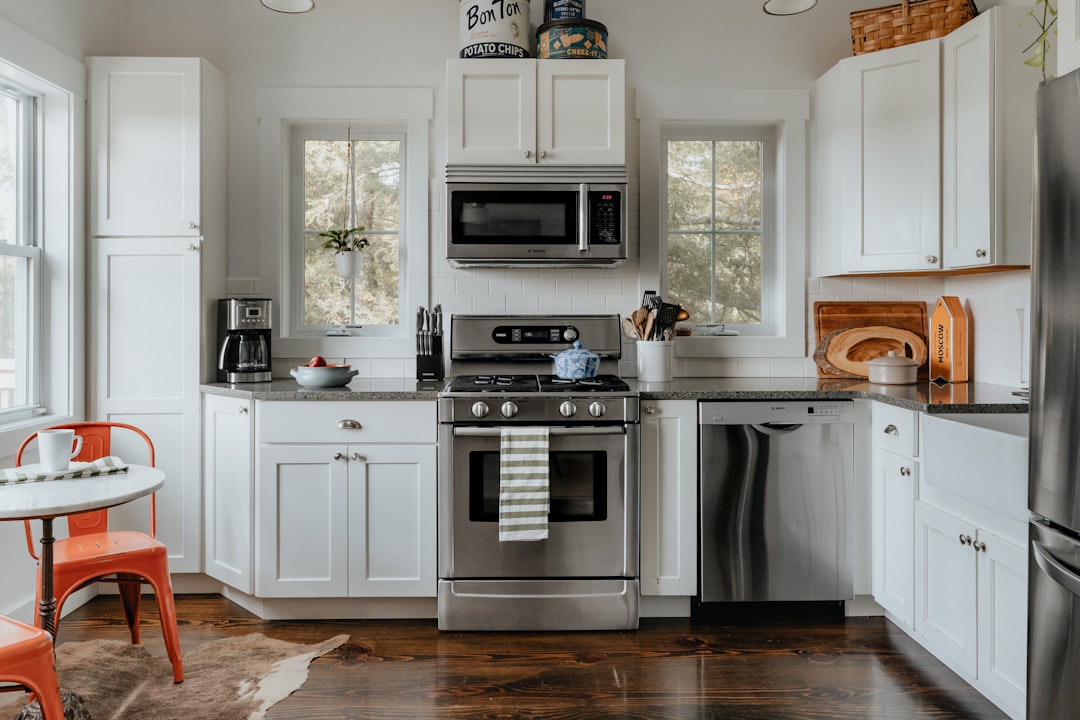
Modern households rely heavily on complex machinery to maintain daily efficiency, ranging from culinary refrigeration units to high-speed fabric laundering systems. Executing a correct setup is the single most critical factor determining how long these machines last and how safely they operate. A precise complete installation guide for home appliances must account for structural limitations, utility capacities, and manufacturer specifications to prevent premature mechanical failures or safety hazards.
When a new household machine arrives, the excitement often overshadows the meticulous preparation required before plugging it into the wall or attaching it to a water supply. Industry data from organizations like the Consumer Product Safety Commission indicates that improper utility connections and leveling errors account for a significant percentage of preventable residential maintenance calls during the first year of ownership. Approaching this process with methodical patience ensures that every component functions at peak efficiency from day one.
Understanding Utility Requirements and Home Infrastructure
Before unboxing any heavy machinery, evaluating the existing infrastructure of the home is mandatory. Electrical panels, water pressure regulators, and gas shut-off valves must match the exact demands of the incoming device. Heavy-duty laundry units and cooking ranges typically require dedicated circuits governed by guidelines found in the National Electrical Code to prevent circuit overloads and potential fire hazards. Overlooking wire gauge sizes or breaker amperages during this phase creates chronic operational failures that bypass standard warranty protections.
Related Posts
- How to Find the Correct Washing Machine User Manual by Model Number
- The Ultimate Product Dimensions Features and Compatibility Guide
- Comprehensive Guide to Dryer Maintenance: Strategies for Long-Lasting Performance
- The Ultimate Beginner Friendly Troubleshooting and Repair Guide for Household Electronics
- The Definitive Guide to Preventive Maintenance Tips for Home Appliances
Water supply lines require equal scrutiny, particularly for modern refrigerators equipped with ice makers and automated dishwashers. Standard residential water pressure should hover between 40 and 60 pounds per square inch; exceeding this range necessitates the installation of a pressure-reducing valve to protect internal solenoids and hoses from bursting. Furthermore, verifying gas line compatibility—distinguishing strictly between natural gas and liquefied petroleum configurations—is a matter of critical safety that demands strict adherence to standards published by the National Institute of Standards and Technology.
Unboxing and Initial Site Preparation
The physical transition of a heavy machine from its shipping pallet to its designated alcove requires careful handling to avoid structural frame distortion. Technicians must remove all transit bolts, foam blocks, and protective films before positioning the unit. Leaving internal shipping brackets inside a high-speed rotating drum, for instance, will cause catastrophic mechanical damage during the initial test cycle.
Measuring clearance dimensions twice prevents the frustration of discovering that a bulky refrigerator door cannot swing open fully due to an adjacent kitchen wall or pantry trim. Flooring material also dictates the preparation steps; uneven hardwood or tile surfaces require protective shims or rubberized anti-vibration pads. According to research published by the National Association of Home Builders, ensuring adequate airflow clearance around heat-generating appliances significantly reduces compressor strain and extends overall operating life.
Step-by-Step Refrigeration and Cooling Setup
Refrigerators and freezers represent continuous-load electrical devices that demand exact physical leveling to operate properly. A unit tilted even slightly forward will cause self-closing doors to drift open, forcing the internal compressor to run continuously and consume excess electricity. Adjusting the front leveling legs until the unit tilts slightly backward ensures gravity naturally pulls the doors shut while keeping the internal frame square.
| Appliance Type | Primary Utility Requirement | Common Setup Error | Recommended Clearance |
|---|---|---|---|
| Refrigerator | Dedicated 115V Outlet, Water Line | Inadequate leveling / Tight wall fit | 1-2 inches sides and rear |
| Front-Load Washer | 20-Amp Circuit, Drainage, Supply | Leaving transit bolts in place | 1 inch sides, 6 inches rear |
| Electric Range | 240V Heavy-Duty Outlet | Missing anti-tip bracket installation | Flush with rear wall |
| Dishwasher | Hot Water Supply, Dedicated Drain | High loop missing on drain hose | Built-in undercounter fit |
Once leveled, the water supply line for the ice maker must be flushed into a bucket for at least two minutes to clear out manufacturing debris and carbon residue before connecting it to the inlet valve. Allowing the refrigerator to rest unplugged for several hours after transport lets the compressor oil settle back into the crankcase, preventing mechanical friction upon startup.
Laundry Room Mechanics and Drainage Management
Washing machines and tumble dryers introduce complex moisture, vibration, and drainage challenges that require specialized mechanical knowledge. The washer drain hose must be secured firmly inside the standpipe at the correct height—typically between 30 and 96 inches from the floor—to prevent siphoning or wastewater backflow. Utilizing guidelines from the U.S. Department of Energy, homeowners can optimize energy efficiency by ensuring dryer venting ducts are made of rigid metal rather than flexible foil, minimizing lint accumulation and fire risks.
Gas dryers demand professional verification of the flexible connector pipe using a non-corrosive leak detection solution to bubbles around threaded joints. Electric dryers require a securely fastened strain relief clamp where the power cord enters the terminal block, protecting the wiring harness from chafing against sharp metal edges during routine vibrations.
Cooking Appliance Integration and Safety Protocols
Ranges, wall ovens, and cooktops interact directly with open flames or high-voltage heating elements, making precision and adherence to safety codes paramount. Slide-in and freestanding ranges must have an anti-tip bracket securely anchored directly into the floor or rear wall studs. This safety device prevents the entire unit from tipping forward if heavy cookware is placed on an open oven door, a hazard frequently highlighted in safety reports by the Consumer Product Safety Commission.
Ventilation hoods should be installed directly above cooking surfaces according to clearance specifications outlined by the Home Ventilating Institute. Proper CFM ratings ensure cooking smoke, grease, and combustion byproducts are exhausted efficiently, protecting indoor air quality and preventing sticky residue buildup on surrounding cabinetry.
Dishwasher Plumbing and Electrical Integration
Dishwashers operate in concealed undercounter spaces where hidden leaks can cause extensive structural rot before being noticed. The drain hose must be routed in a high loop secured immediately beneath the countertop or connected to an approved air gap before dropping down to the garbage disposal inlet or sink tailpiece. This loop prevents dirty sink water from flowing backward into the dishwasher basin.
Electrical connections for hardwired dishwashers must be housed inside a junction box with proper wire nuts and strain reliefs. Turning off the main circuit breaker before touching any wire terminals is an absolute safety requirement. Testing the unit through a short rinse cycle while inspecting the base with a flashlight confirms that all hose clamps and threaded fittings are completely watertight.
Post-Installation Testing and Diagnostic Verification
Completing physical placement and utility hookups does not mark the end of the setup procedure. A comprehensive diagnostic phase ensures every feature operates without hidden flaws. Running a test cycle on washing machines at high spin speeds verifies that balancing systems suppress excessive shaking. Checking digital control panels for error codes during an oven preheat cycle validates that internal thermostats are communicating correctly with the main control board.
Homeowners should also register their newly installed devices with the manufacturer using the serial and model numbers located on the identification plate. Registration ensures timely notifications regarding safety bulletins, software updates, or component recalls.
Frequently Asked Questions
Can a homeowner complete the installation of a gas range without professional assistance?
While some jurisdictions permit DIY gas connections using approved flexible connectors, hiring a licensed plumber or certified technician ensures compliance with local building codes and eliminates liability regarding hazardous gas leaks.
Why is it necessary to let a refrigerator sit before plugging it in?
During transit, a refrigerator may tilt sideways or upside down, causing compressor lubricant to flow into the cooling lines. Allowing the unit to rest upright for several hours lets the oil drain back into the compressor sump to prevent motor burnout.
What causes a washing machine to vibrate violently during the spin cycle?
Violent shaking is usually caused by unremoved shipping bolts, an unlevel floor surface, or an unbalanced load. Verifying that all four leveling feet make firm contact with the floor is the primary troubleshooting step.
How high should a dishwasher drain hose loop be positioned?
The highest point of the drain hose must be secured at least 20 inches above the subfloor, typically fastened to the underside of the countertop, to prevent wastewater from siphoning back into the tub.
Is a dedicated electrical circuit strictly required for modern kitchen appliances?
Yes, heavy-load devices like refrigerators, microwaves, and dishwashers draw high amperage that can easily trip standard shared breakers, necessitating dedicated circuits for safe and reliable operation.
Conclusion
Executing a proper setup following a complete installation guide for home appliances protects financial investments and safeguards the household against preventable mechanical failures. By methodically evaluating electrical capacities, plumbing integrity, and leveling tolerances, homeowners establish a secure foundation for daily routines. Taking the time to verify every connection, test operational cycles, and register equipment guarantees long-term reliability, optimal energy efficiency, and peace of mind for years to come.
Featured Image Credit: Generated/Sourced via Unsplash.
Disclaimer: This article is AI-generated for informational and educational purposes. While we strive to provide high-quality context and authority, the content should not be used as professional advice. The author/website assumes no liability for external links or factual omissions.