
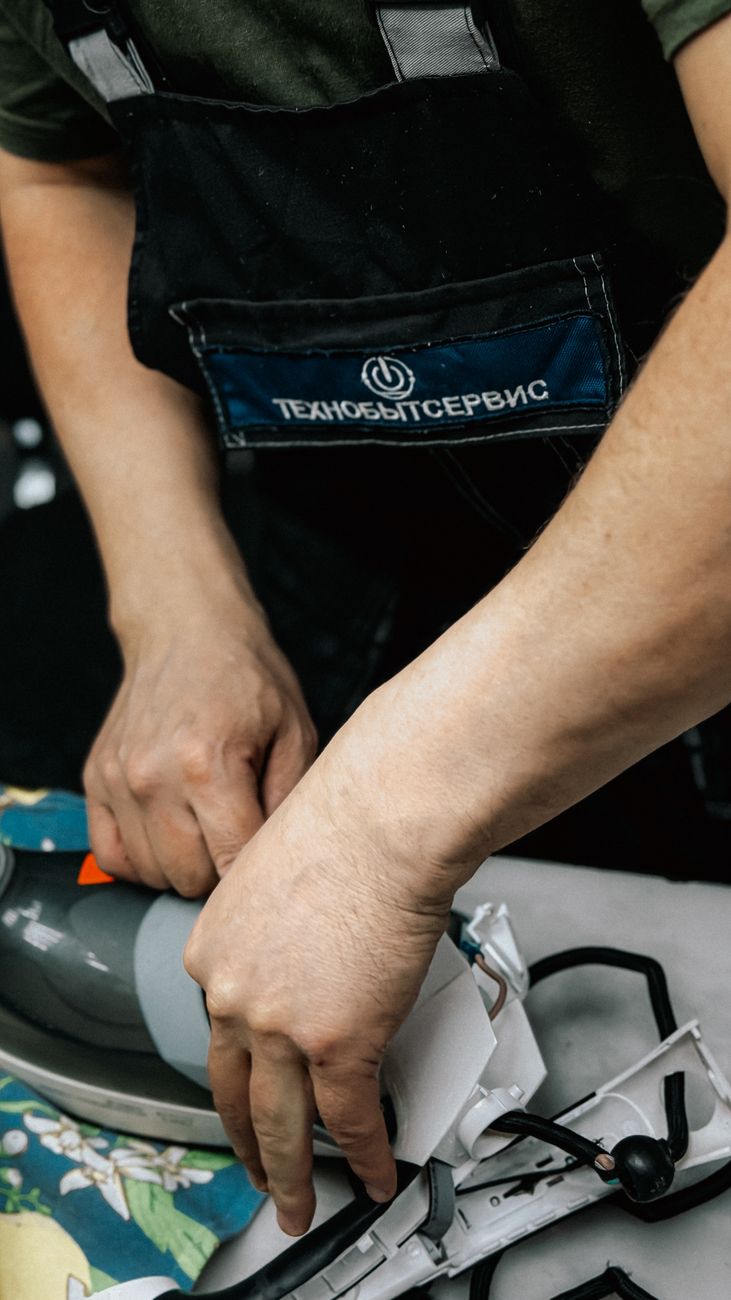
Household items inevitably face mechanical wear, software glitches, or structural damage over time. Understanding how to fix common product issues at home preserves financial resources and minimizes environmental waste by extending the functional lifespan of everyday goods. Modern consumer goods range from complex motorized kitchen appliances to precision electronics, yet many operational failures stem from minor mechanical obstructions, loose electrical connections, or configuration errors. Approaching household repairs requires systematic diagnostic methods rather than guesswork. Technicians and manufacturers consistently emphasize safety protocols, proper tool selection, and adherence to diagnostic frameworks before attempting physical interventions.
Diagnostic Principles for Household Repairs
Before initiating any corrective procedure, a structured diagnostic assessment prevents unnecessary component replacement and mitigates safety risks. Industrial maintenance standards outlined by organizations like the National Institute for Occupational Safety and Health prioritize hazard identification, power isolation, and personal protective equipment. The first step involves observing operational anomalies, such as unusual acoustic signatures, thermal output variations, or intermittent power delivery. Documenting these symptoms narrows the potential root cause down to specific subsystems.
For instance, a motorized appliance that fails to turn on typically points toward a power delivery failure, an internal thermal fuse rupture, or a switch actuation fault. Isolating the power source using a multimeter to verify voltage continuity establishes whether the wall outlet or the internal power cord is at fault. Similarly, consumer electronics exhibiting erratic behavior often respond favorably to hard resets or firmware refreshes, bypassing the need for physical component-level soldering. Establishing a methodical baseline ensures that diagnostic efforts remain efficient and targeted.
Related Posts
- How to Find the Correct Washing Machine User Manual by Model Number
- Ultimate Guide to Appliance Care: Best Cleaning and Maintenance Practices for Appliances
- The Blueprint of Modern Living: Decoding Home Appliance Specification Sheets and Manuals
- Dishwasher Specifications Explained: Water Consumption and Place Settings
- How to Understand Air Conditioner Remote Control Manual Symbols
Resolving Major Kitchen Appliance Malfunctions
Kitchen appliances endure heavy daily usage, making them prime candidates for mechanical and electrical failures. Refrigerators, dishwashers, and washing machines operate through synchronized mechanical cycles that frequently encounter specific, preventable bottlenecks.
Refrigerator Temperature Regulation Failures
When a refrigerator fails to maintain safe internal temperatures, the issue frequently traces back to restricted airflow or thermal transfer impediments rather than a failed compressor. Dust and pet dander accumulation on condenser coils insulating the heat exchange surface forces the compressor to run continuously, elevating internal temperatures. Cleaning these coils annually with a specialized brush restores optimal thermal dissipation. Another frequent culprit is the door gasket. A degraded or warped magnetic seal allows ambient warm air to infiltrate the cabinet, creating frost buildup on the evaporator coils. Testing the seal using the standard dollar-bill method—closing the door on a piece of paper and checking for resistance when pulled—determines whether gasket replacement is necessary.
Dishwasher Drainage Obstructions
Standing water pooling at the bottom of a dishwasher basin after a wash cycle indicates a blockage within the filtration or drainage assembly. Food particulate matter, labels from glass jars, and grease residue frequently bypass coarse filters and accumulate in the pump impeller housing or the check valve. Resolving this requires removing the lower dish rack, extracting the mesh filter assembly, and clearing debris from the sump area. Maintaining these components prevents foul odors and ensures water circulates with adequate pressure during cleaning cycles.
Troubleshooting Consumer Electronics and Smart Devices
Consumer electronics integrate delicate microcircuitry that reacts sensitively to power surges, thermal stress, and software corruption. While hardware repairs require specialized micro-soldering skills, numerous electronic anomalies stem from logical or peripheral faults that are manageable through standard troubleshooting protocols.
| Device Category | Common Symptom | Potential Root Cause | Recommended Action |
|---|---|---|---|
| Smart Televisions | Wi-Fi connectivity drops | Outdated firmware or router channel congestion | Perform power cycle, clear cache, or update router channel |
| Laptops | Rapid battery depletion | Background process loops or degraded cell capacity | Adjust power profiles, check battery health diagnostics |
| Smartphones | Charging port failure | Lint and pocket debris compaction in USB port | Gently clean port using a non-conductive wooden toothpick |
Smartphone charging ports frequently collect pocket lint, which compresses over time and prevents the USB-C or Lightning connector from seating fully against the internal contact pins. Inspecting the port under a bright light and carefully removing compacted debris with a non-conductive wooden tool restores reliable charging and data synchronization. For computing hardware, thermal throttling caused by dried thermal paste between the CPU and the heatsink leads to unexpected shutdowns. Replacing thermal paste restores efficient heat transfer, resolving performance degradation during resource-intensive tasks.
Fixing Furniture and Structural Household Goods
Beyond appliances and electronics, stationary household goods such as wooden furniture, door mechanisms, and plumbing fixtures undergo mechanical fatigue. Structural stability often diminishes due to temperature fluctuations and humidity changes that cause wood to expand and contract.
Wooden chair joints and drawer slides frequently loosen as the original polyvinyl acetate adhesive degrades under constant mechanical stress. Repairing a loose mortise-and-tenon joint requires disassembling the components, scraping away old, crystallized adhesive, and applying fresh wood glue before clamping the assembly firmly until curing is complete. For sticking interior doors, seasonal humidity shifts cause wooden frames to warp. Planing the high friction edge or tightening hinge screws that have pulled away from the jamb resolves alignment issues without requiring professional carpentry services.
Preventive Maintenance Strategies to Avoid Future Failures
Implementing proactive maintenance routines significantly reduces the frequency of unexpected household breakdowns. Regular upkeep preserves operational efficiency and ensures that mechanical systems operate within manufacturer specifications.
- Lubrication of Moving Parts: Applying silicone-based lubricants to garage door tracks, hinge pivots, and window channels reduces frictional wear and prevents motor strain.
- Filter Replacements: Changing HVAC air filters and water filtration cartridges on strict schedules prevents airflow restriction and mineral scale accumulation.
- Surge Protection: Connecting sensitive electronics to high-joule surge protectors shields microprocessors from voltage spikes caused by grid fluctuations or lightning strikes.
- Software Updates: Maintaining up-to-date operating systems on smart home hubs and computing devices patches security vulnerabilities and optimizes resource allocation.
Conclusion
Addressing household repairs through a structured, analytical lens transforms intimidating maintenance tasks into manageable projects. By prioritizing safety, utilizing accurate diagnostic procedures, and performing targeted interventions, homeowners and occupants preserve the longevity of valuable consumer goods. Regular preventive maintenance further mitigates wear and tear, ensuring reliable performance across appliances, electronics, and structural fixtures. Adopting these systematic repair methodologies fosters resourcefulness and sustainable resource management within any domestic environment.
Featured Image Credit: Generated/Sourced via Unsplash.
Disclaimer: This article is AI-generated for informational and educational purposes. While we strive to provide high-quality context and authority, the content should not be used as professional advice. The author/website assumes no liability for external links or factual omissions.