
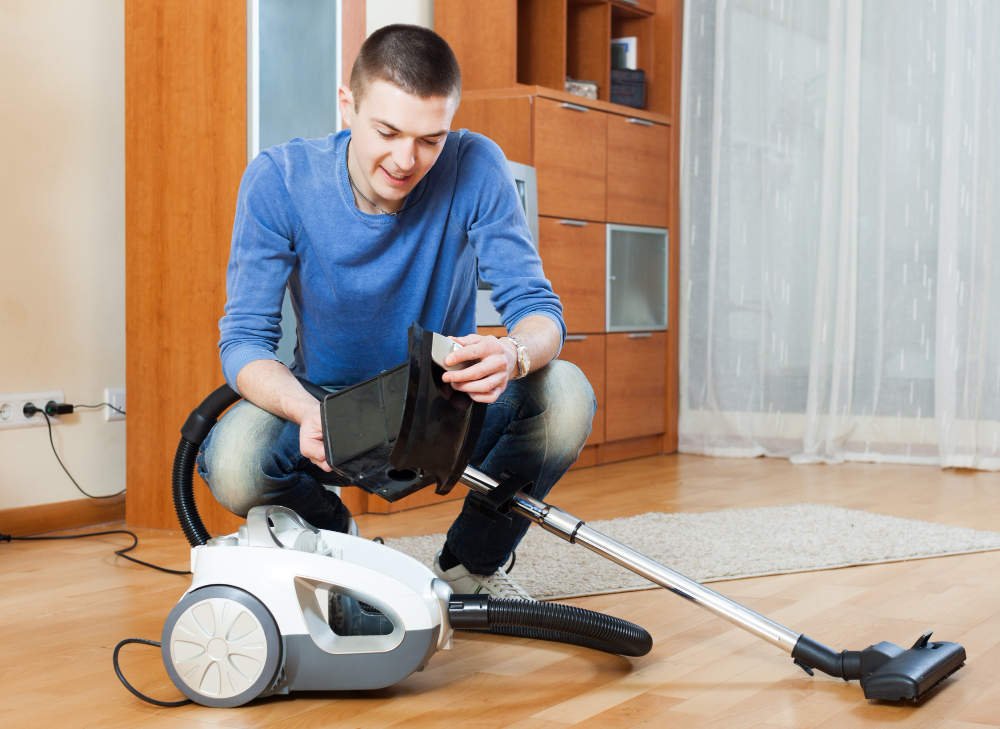
A vacuum cleaner is often the unsung hero of household hygiene. It is trusted to remove millions of microscopic particles, allergens, and debris from floors, carpets, and upholstery. Yet, while millions of households rely on these machines daily, the appliance itself is frequently neglected until a sudden loss of suction or a burning smell signals a mechanical crisis.
Maintaining a vacuum cleaner is not merely about extending the life of an expensive appliance. It is a critical practice for maintaining indoor air quality, ensuring optimal energy efficiency, and protecting flooring investments from abrasive dirt particles. When a vacuum operates with clogged filters, tangled brush rolls, or overfilled dust compartments, it ceases to clean effectively. Instead, it begins to recycle dust back into the living space while putting immense thermal strain on its motor.
This comprehensive guide delivers an evidence-based approach to vacuum cleaner restoration, cleaning, and preventative maintenance. By implementing these professional strategies, households can restore factory-level suction power, eliminate musty exhaust odors, and avoid costly repair bills.
Related Posts
- How to Install a New Washing Machine Step by Step: A Complete Practical Guide
- How to Install Smart Home Devices Step by Step: A Complete Guide
- The Ultimate Official Setup and Installation Documentation Guide for Success
- Refrigerator Installation Requirements for Proper Ventilation: Complete Guide
- Air Conditioner Filter Cleaning Schedule for Better Efficiency
The Anatomy of Suction: Understanding Your Machine
Before diving into the maintenance protocols, it is essential to understand the mechanical system that allows a vacuum cleaner to function. At its core, a vacuum relies on a continuous stream of air moving from a high-pressure environment outside the machine to a low-pressure zone inside the motor housing. Any disruption along this pneumatic pathway directly degrades performance.
The modern vacuum cleaner consists of five primary zones that require regular inspection and care:
- The Intake Architecture: This includes the floor head, the rotating brush roll (or agitator), and the primary intake port where debris enters.
- The Filtration Network: Most modern machines utilize a multi-stage filtration system, starting with a coarse mesh or cyclone separator, moving to a pre-motor filter, and concluding with a post-motor high-efficiency particulate air (HEPA) filter.
- The Airway and Conduit System: The flexible hoses, rigid wands, and internal plastic channels that transport debris from the floor to the collection chamber.
- The Collection Containment: Either a porous paper/synthetic bag or a cyclonic plastic dust bin that separates heavy debris from the airflow.
- The Propulsion Core: The electric motor and fan assembly that generates the pressure differential, along with the drive belts that spin the mechanical agitators.
Understanding how these components interact makes diagnosing common issues straightforward. For instance, a loss of suction accompanied by a high-pitched whistling sound almost always points to a blockage in the airway or a severely impacted pre-motor filter. Conversely, a brush roll that fails to spin under load points to a worn drive belt or hair wrapped around the bearing assemblies.
Step-by-Step Deep Cleaning Protocol
A thorough, deep clean should be performed every three to six months, depending on usage frequency, the presence of long-haired pets, and the overall square footage of the home. This procedural breakdown ensures that every critical junction is cleaned without risking damage to sensitive electrical elements.
1. Disassembly and Preliminary Inspection
Safety must always come first when working with mechanical appliances. Unplug the vacuum from the electrical outlet or remove its lithium-ion battery pack if using a cordless stick model. Place the machine on a clean, hard surface, preferably over a drop cloth or protective sheet to catch loose debris.
Carefully remove all detachable elements, including the main hose, the wand extension, the dust bin or bag, and any specialized cleaning nozzles. Prepare a cleaning station equipped with a pair of scissors, a microfiber cloth, warm water, a mild dish soap, and an old toothbrush for scrubbing tight crevices.
2. Restoring the Brush Roll and Agitator Assembly
The brush roll is the frontline defense against dirt, especially on carpeted surfaces where it vibrates fibers to loosen embedded soil. Over time, hair, threads, and carpet fibers wrap tightly around the cylinder, binding the bristles and placing an excessive load on the drive belt.
+-----------------------------------------------------------------+
| CAUTION: Never pull or rip tangled hair blindly from the brush |
| roll. Doing so can bend the metal axle, warp the plastic frame, |
| or slice through the delicate nylon bristles.                  |
+-----------------------------------------------------------------+
Turn the floor head upside down to expose the bottom plate. Many brands feature quick-release tabs or simple screw mechanisms to remove the bottom cover plate entirely. If the brush roll is removable, lift it out of its housing.
Use scissors or a specialized seam ripper to cut along the length of the cylinder, slicing through wrapped hair and string. Guide the blades carefully to avoid damaging the bristles or the wooden/plastic roll itself. Once cut, pull the debris away. Clean the bearing caps at either end of the roll, as hair wrapped around these points can generate friction heat, melting the surrounding plastic housing.
3. Decontaminating the Dust Bin or Bag Chamber
For bagless models, emptying the dust bin is only the first step. Fine dust cakes the inner walls, creating a static barrier that reduces cyclonic efficiency. Remove the bin and empty it completely into a trash receptacle.
Wash the plastic bin thoroughly in warm, soapy water. Avoid using abrasive sponges or harsh chemical cleaners that can cloud or degrade the polycarbonate plastic. Use a long-handled brush to reach into the upper cyclonic cones where fine dust collects.
+-----------------------------------------------------------------+
| CRITICAL STEP: The dust bin must dry completely for at least    |
| 24 to 48 hours before reassembly. Reinstalling a damp bin risks  |
| drawing moisture into the motor, voiding warranties and causing |
| catastrophic electrical failure.                                |
+-----------------------------------------------------------------+
For bagged models, wipe down the interior bag chamber with a dry or damp microfiber cloth. Inspect the docking collar where the bag connects to the intake hose to ensure the rubber gasket remains pliable and free of tears.
4. Clearing Blockages from the Airway Conduit
When a vacuum runs over large items like coins, small toys, or clumps of damp pet hair, a clog can form within the flexible hose or internal elbows.
To clear the hose, detach it completely from both ends. Drop a heavy object, like a large coin or a small marble, down through the tube. If the object fails to emerge from the other side, a blockage is present.
Straighten the hose and use a flexible wire coat hanger with a small loop bent onto the end, or a long wooden dowel, to gently push the obstruction out. Never force a sharp object through the hose, as thin vinyl or rubber can puncture easily, creating an air leak that permanently kills suction power.
Filter Maintenance: The Key to Air Purity and Suction
The filtration network of a vacuum cleaner is vital for trapping fine particulates so they do not exhaust back into the room. It also serves as a barrier protecting the high-speed motor from abrasive dust. Neglecting these components forces the motor to work significantly harder, overheating the system and shortening its lifespan.
Many modern vacuums utilize washable foam and felt pre-motor filters alongside a non-washable or washable HEPA post-motor filter. It is critical to consult the appliance manual to verify the specific care guidelines for each filter layer.
Foam and Felt Pre-Motor Filters
These are located between the dust container and the motor unit. They capture the medium-to-fine particulates that escape the main cyclonic separation.
- Rinse Routine: Submerge these filters in cold or lukewarm water without soap. Squeeze gently to release trapped dirt. Repeat until the water runs clear.
- Drying Protocol: Squeeze out excess water without wringing or twisting, which can deform the foam structure. Lay the filters flat in a well-ventilated area away from direct sunlight or high heat sources. Allow them to air-dry for at least 24 hours.
HEPA and Post-Motor Filters
HEPA filters are engineered to capture 99.97% of particles as small as 0.3 microns, making them essential for managing indoor allergens like pet dander and pollen.
- Washable HEPA Filters: If marked as washable, rinse under a gentle stream of cold water running through the clean side out toward the dirty side. Do not scrub the pleated paper fabric, as this disrupts the delicate microfiber web.
- Non-Washable HEPA Filters: If specified as non-washable, clean the filter by tapping it gently against the inside of a trash can to dislodge loose dust. These components must be replaced every six to twelve months to maintain certified filtration performance.
Mechanical Upkeep: Belts, Gaskets, and Electrical Integrity
Beyond cleaning, a vacuum requires occasional mechanical adjustments to maintain its performance over years of operation.
Drive Belt Inspection and Replacement
In upright vacuums, a rubber drive belt connects the motor shaft directly to the brush roll. Over months of stretching and spinning at thousands of revolutions per minute, this belt gradually loses its elasticity, slips, or cracks. A slipping belt reduces the brush roll’s rotational speed, leaving heavy debris behind on carpets.
Inspect the belt for signs of cracking, fraying, or localized melting. If the belt feels loose or has a visible slack shape compared to a new replacement, change it out. Most manufacturers recommend replacing the drive belt every twelve months to ensure maximum torque transfer to the brush roll bristles.
Maintaining Airtight Seals
A vacuum cleaner relies entirely on sealed chambers to direct its airflow path. Gaskets made of rubber or silicone seal the connections between the dust bin, filter housings, and hose junctions. Inspect these seals regularly for cracking or flattening. Wiping them down with a damp cloth keeps the rubber pliable. If a gasket is torn or warped, replace the corresponding assembly or seal to prevent performance-killing vacuum leaks.
Vacuum Maintenance Matrix
The following table summarizes the care timelines and actions required for the primary styles of residential vacuum cleaners.
| Vacuum Type | Primary Weak Points | Filter Cleaning Frequency | Deep Cleaning Schedule | Component Replacement Targets |
| Upright / Canister | Drive belts, brush roll bearings, flexible hose elbows | Every 30 days | Every 6 months | Replace belt annually; replace HEPA filter every 12 months |
| Cordless Stick | Dust bin inlet flap, fine mesh shroud, battery terminals | Every 2 to 3 weeks | Every 3 months | Replace pre-filter every 6 months; replace battery as runtime degrades |
| Robot Vacuum | Side spinner brushes, caster wheel axle, small drop sensors | Every 2 weeks | Every 1 to 2 months | Replace side brushes every 3 to 6 months; replace main roller bi-annually |
Proactive Strategies to Prevent Damage
Adopting a few preventative habits during daily use can significantly cut down on deep cleaning requirements and protect the machine from premature failure.
Avoid Vacuuming Moisture and Damp Materials
Unless a machine is explicitly rated as a wet/dry utility vacuum, never use it on damp carpets, liquid spills, or moist organic waste. Moisture drawn into a standard vacuum creates a damp paste inside the internal airways, cementing dust to the walls and ruining the filters. This dark, damp environment becomes a breeding ground for mold, mildew, and foul odors. More importantly, moisture entering the motor housing presents a dangerous shock hazard and can destroy the electrical circuits instantly.
Exclude Construction Material and Fine Powders
Plaster dust, drywall residue, wood ash, and pure cornstarch should not be cleaned with standard residential vacuums. These materials consist of ultra-fine particulates that easily penetrate standard filtration systems, bypassing the cyclones and packing into the motor bearings. This creates rapid friction buildup, overheating the motor and often burning it out within minutes of exposure. For these tasks, use a shop vacuum equipped with a dedicated drywall dust collection bag.
Manage String and Cord Hazards
Before running the vacuum across a room, scan the floor for thin hazards like sewing threads, yarn, window blind cords, and electrical cables. These long materials wrap around a spinning brush roll instantly, creating a binding resistance that can snap drive belts, strip plastic gears, or burn out the motor drive.
Eliminating Stale and Musty Vacuum Odors
When a vacuum cleaner exhausts a stale, earthy odor, it indicates that organic matter—such as pet dander, food crumbs, or hair—is decomposing inside the collection bag, dust bin, or filter fibers.
To eliminate these odors, first complete the full deep cleaning and filter washing steps detailed above. Once the components are completely dry, deodorize the system using natural remedies:
- Baking Soda Flush: Sprinkle a half-cup of pure sodium bicarbonate (baking soda) directly onto your floors and vacuum it up. The baking soda passes through the airways, neutralizing acidic odor molecules inside the container and along the internal walls.
- Essential Oil Infusion: Place two or three drops of a high-quality essential oil (such as lavender, eucalyptus, or tea tree) onto a small piece of cotton fabric or a clean paper towel. Drop this cloth directly into the dust bin or vacuum bag. As air circulates through the machine, it distributes a clean, subtle scent throughout the room without coating the interior components in sticky residues.
Troubleshooting Common Vacuum Issues
Before assuming a machine has reached the end of its life, walk through this basic diagnostic checklist to identify simple, fixable issues.
Complete Loss of Suction Power
Check if the dust collection bag is full or the plastic bin has exceeded its maximum fill line. Inspect the pre-motor filter for fine dust blockages. Detach the hose and drop a coin through to rule out an internal obstruction. Check that all attachment points and accessory doors are snapped shut completely.
The Machine Suddenly Shuts Off
Most modern vacuums feature an integrated thermal cut-out switch designed to protect the motor from overheating. If the airflow drops below a safe level, the internal temperature rises, tripping the switch. Unplug the machine immediately and let it cool down for 45 to 60 minutes. While it cools, clear any hair wraps from the brush roll and check all filters for clogs. Once cleared and cooled, the thermal switch resets automatically.
Unusual Noises or Vibration
A loud, rattling noise usually indicates a hard foreign object, like a small stone or screw, is trapped inside the intake fan or impeller housing. Shut the machine down immediately to prevent the object from fracturing the plastic fan blades. A heavy vibration indicates a broken, unbalanced brush roll or missing bristle strips.
Frequently Asked Questions
How often should I empty my vacuum cleaner’s dust container?
For optimal performance, empty a bagless dust bin when it reaches roughly two-thirds full, or immediately after every major cleaning session. Never allow the debris to pack past the maximum fill line, as this disrupts the cyclonic air separation, sending heavy dirt directly into the delicate filters. For bagged vacuums, replace the bag when it feels roughly three-quarters full or becomes firm to the touch.
Can I wash all types of vacuum filters?
No. Only filters explicitly labeled as “washable” by the manufacturer should be exposed to water. Regular pleated paper filters or standard HEPA cartridges will disintegrate, warp, or lose their microscopic trapping efficiency if moistened. Non-washable filters must be tapped clean outdoors or replaced entirely with genuine factory parts.
Why does my vacuum smell like it is burning?
A burning smell generally points to one of two common mechanical issues: a slipping rubber drive belt that has jammed and is rubbing against a spinning motor shaft, or an overheating motor caused by a severe airflow blockage. Turn off and unplug the vacuum immediately to locate the source of friction or airflow resistance before running it again.
How long should a quality vacuum cleaner last?
With regular maintenance, a high-quality residential vacuum cleaner typically lasts between five and eight years. Stick models and robot vacuums often sit on the shorter end of this spectrum due to battery degradation, while premium canister and upright models can easily exceed ten years of service when cared for properly.
Is it safe to use aftermarket filters and bags?
While third-party replacement parts are often less expensive, they may not offer the same precise dimensions or filtration grades as original equipment manufacturer (OEM) parts. Subtle gaps around a third-party filter frame can let dirty air bypass the filter entirely, exposing the motor to damaging grit. Stick with OEM components to maintain your manufacturer’s warranty coverage and peak filtration metrics.
Maximizing Your Appliance Investment
Caring for a vacuum cleaner requires a small but consistent investment of time that pays massive dividends over the years. By treating this appliance as a precision air-filtration system rather than a simple broom, households can protect their indoor environments from allergens while avoiding premature replacement expenses. Set a regular schedule for filter washings, clear away brush roll tangles before they bind the motor, and always allow components to dry fully before reassembly. These simple practices keep your machine operating at peak factory efficiency, ensuring your home remains truly clean and healthy.