Modern households rely heavily on a complex network of electromechanical devices designed to reduce physical labor and streamline daily routines. When these systems fail, the disruption to household management is immediate and often expensive. Implementing disciplined routine upkeep transforms reactive repair strategies into proactive asset management. Equipment longevity is rarely a matter of luck; it directly correlates with consistent technical stewardship. Understanding how to properly service hardware minimizes unexpected breakdowns and optimizes overall electrical efficiency across every room.
Understanding the Mechanics of Household Upkeep
Technical degradation of household machinery usually happens gradually due to neglected physical wear, dust accumulation, and mineral deposition. Every mechanical system requires specific environmental conditions and periodic mechanical interventions to function at peak capacity. For instance, thermal components accumulate scale over time, which forces heating elements to draw more electrical current to reach target temperatures. Recognizing these operational thresholds allows homeowners to address minor mechanical inefficiencies before they escalate into complete system failures. Research published by the Consumer Reports Appliance Reliability Study indicates that routine preventative care reduces the likelihood of major component failure by up to thirty percent.
Refrigerator Maintenance and Coil Optimization
The refrigerator operates continuously, making it the most energy-demanding fixture in a typical residential kitchen. Dust, pet hair, and airborne lint collect on the condenser coils located beneath or behind the chassis. When these coils are coated in debris, thermal dissipation is severely restricted, causing the compressor to run longer cycles.
Related Posts
- How to Troubleshoot a Refrigerator That Is Not Cooling Properly
- The Ultimate Step by Step Repair Guide for Common Appliance Problems
- Electric Oven Specifications Explained: Wattage, Capacity, and Features
- The Ultimate Guide to Finding and Downloading Washing Machine User Manuals Online
- Air Conditioner Specifications Explained: BTU Capacity and Energy Efficiency
To restore efficiency, homeowners should unplug the unit and vacuum the condenser coils using a specialized crevice attachment every six months. Furthermore, inspecting the rubber door gaskets for cracks or flexibility ensures an airtight seal. According to guidelines from the U.S. Department of Energy, maintaining clean refrigerator coils can decrease total energy consumption by up to fifteen percent, providing immediate financial savings on monthly utility bills.
Dishwasher Care and Filter Sanitation
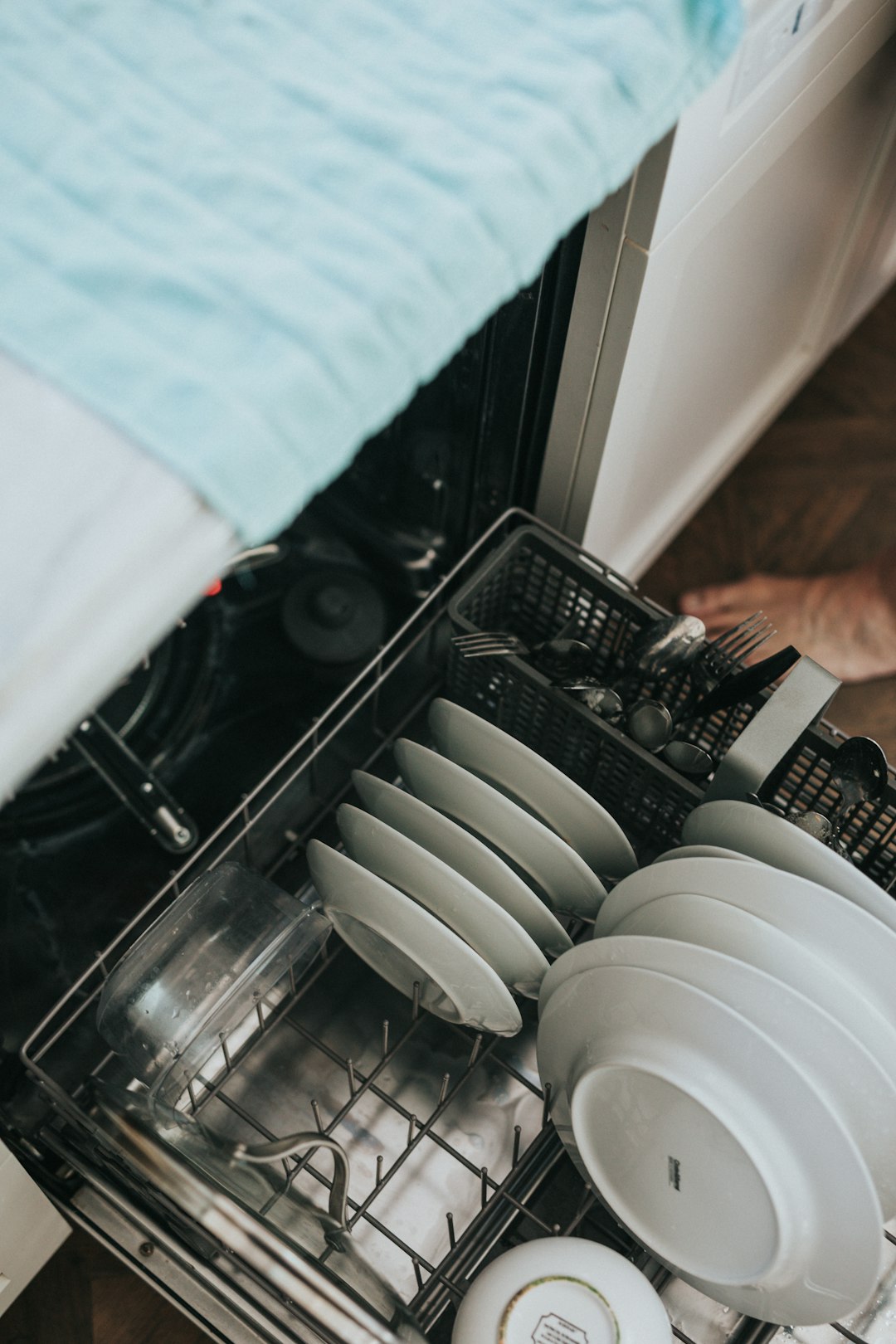
Dishwashers manage high volumes of food particles, grease, and hard water minerals. Over time, these residues clog the lower filtration assembly and coat the spray arm nozzles, leaving dishes with a cloudy film.
Routine maintenance requires removing the lower filter mesh and washing it under warm, soapy water to dislodge trapped organic matter. Running a monthly cleaning cycle with a dedicated citric-acid-based cleaner dissolves calcium scale buildup inside the internal water lines and pump housing. The National Sanitation Foundation recommends monthly sanitization cycles to inhibit bacterial growth and maintain optimal wash performance.
Laundry Room Efficiency: Washer and Dryer Protocols
Laundry appliances demand rigorous upkeep due to their exposure to high moisture levels, detergents, and heavy mechanical loads. Washing machines frequently develop mildew and detergent sludge inside the outer drum and detergent dispenser drawers. Leaving the washer door slightly ajar after each cycle allows residual moisture to evaporate, preventing mold propagation.
| Appliance Type | Primary Maintenance Task | Recommended Frequency | Potential Risk of Neglect |
|---|---|---|---|---|
| Refrigerator | Clean condenser coils | Every 6 months | Compressor burnout | |
| Dishwasher | Clean filter assembly | Monthly | Drainage failure | |
| Clothes Dryer | Clear lint ductwork | Annually | Fire hazard | |
| Oven/Range | Degrease burner ports | Quarterly | Uneven heating | |
| Water Heater | Flush sediment tank | Annually | Tank corrosion |
Dryer maintenance centers primarily on airflow management. Lint bypasses the primary lint screen and accumulates within the exhaust venting ductwork. Restricted airflow increases drying times and creates severe fire hazards. Technical data provided by the Consumer Product Safety Commission highlights that annual professional cleaning of dryer exhaust ducts prevents thousands of residential fires annually.
Oven and Range Deep Cleaning Strategies
Cooking appliances endure intense thermal cycling and frequent exposure to spilled sugars, fats, and starches. Carbonized food residue acts as an insulator, preventing uniform heat distribution across stovetop burners and oven cavities.
Gas burner ports frequently become obstructed by spilled liquids, resulting in yellow, inefficient flames instead of clean blue combustion. Clearing these ports with a fine needle or wire brush restores proper gas flow. For self-cleaning ovens, removing heavy grease manually before initiating the high-temperature cycle prevents excessive smoke and protects internal electronic control boards from thermal stress. The National Fire Protection Association advises keeping stovetops free of grease accumulation to mitigate kitchen fire risks.
Small Kitchen Appliance Preservation
Countertop devices such as blenders, coffee makers, and toaster ovens require distinct cleaning protocols to maintain food safety and operational integrity. Coffee makers accumulate mineral scale from tap water, which alters brewing temperatures and beverage taste. Running a solution of equal parts white vinegar and water through the brewing reservoir every thirty cycles dissolves internal calcium deposits effectively.
Blender blade assemblies should be disassembled and dried completely after washing to prevent bearing corrosion. The Food and Drug Administration emphasizes that sanitizing food-contact surfaces on small appliances prevents foodborne pathogen cross-contamination.
Seasonal HVAC and Climate System Checks
Heating, ventilation, and air conditioning systems represent the largest capital investments in residential property management. Replacing disposable air filters every ninety days is the single most effective maintenance task a homeowner can perform. Clogged filters restrict airflow, forcing the blower motor to work harder and increasing the risk of premature motor failure.
Additionally, clearing condensate drain lines with a mixture of warm water and vinegar prevents algae blockages that cause indoor water overflow. Research published by the Air-Conditioning, Heating, and Refrigeration Institute demonstrates that scheduled seasonal tune-ups extend system lifespans by up to five years.
Frequently Asked Questions
How often should major household appliances be professionally serviced?
Most manufacturers recommend an annual inspection for complex systems such as HVAC units and gas furnaces, while standard kitchen appliances generally do not require professional intervention unless operational anomalies occur.
What is the best way to eliminate stubborn odors from a washing machine?
Running an empty hot water cycle with two cups of white vinegar followed by a second cycle with baking soda neutralizes organic residues and eliminates mildew odors.
Can using harsh chemical cleaners damage appliance interiors?
Yes, highly abrasive powders and industrial bleach can etch stainless steel surfaces, degrade rubber gaskets, and corrode internal aluminum components. Using manufacturer-approved cleaning agents is always recommended.
Why is my refrigerator running constantly?
Continuous operation is usually caused by restricted airflow over the condenser coils, a failing door seal, or a low refrigerant charge requiring technical service.
How do I prevent my garbage disposal from jamming?
Avoid putting fibrous vegetables, grease, coffee grounds, and hard bones down the drain. Running cold water while the disposal operates and occasionally grinding ice cubes helps clean the internal grinding ring.
Long-Term Value of Preventative Upkeep
Consistent adherence to proper cleaning and maintenance protocols safeguards household capital and ensures reliable daily operation. By integrating these structured upkeep routines into regular household schedules, equipment performance remains optimized throughout its lifecycle. Proactive technical care not only minimizes unexpected repair expenses but also contributes to greater overall domestic efficiency and environmental sustainability.
Featured Image Credit: Generated/Sourced via Unsplash.
Disclaimer: This article is AI-generated for informational and educational purposes. While we strive to provide high-quality context and authority, the content should not be used as professional advice. The author/website assumes no liability for external links or factual omissions.