The Complete Official User Guide with Operating Instructions for Modern Systems
Operating modern machinery, software platforms, and complex consumer electronics requires more than guesswork. When a new device or enterprise software package arrives at a facility, the immediate instinct among operators is often to bypass documentation and proceed directly to trial and error. However, this approach frequently leads to operational inefficiencies, equipment damage, or security vulnerabilities. Relying on an official user guide with operating instructions bridges the gap between raw capability and practical execution. Manufacturers invest substantial engineering hours into drafting these manuals to ensure that every safety protocol, maintenance schedule, and functional feature is communicated with absolute clarity. Understanding how to interpret and apply these documents transforms a frustrating onboarding experience into a streamlined, predictable process.
The Anatomy of Standard Operating Documentation
Every well-structured technical manual follows a rigorous architectural layout designed to guide the reader from initial unboxing or installation through advanced configuration. Typically, the opening sections of an official user guide with operating instructions contain safety warnings, compliance certifications, and environmental specifications. Ignoring these preliminary pages can invalidate warranties or create hazardous working conditions. Following the safety notices, the documentation generally introduces a hardware or software inventory, detailing every component included in the package. This inventory serves as a baseline verification step, ensuring that no essential cables, modules, or license keys are missing before assembly begins.
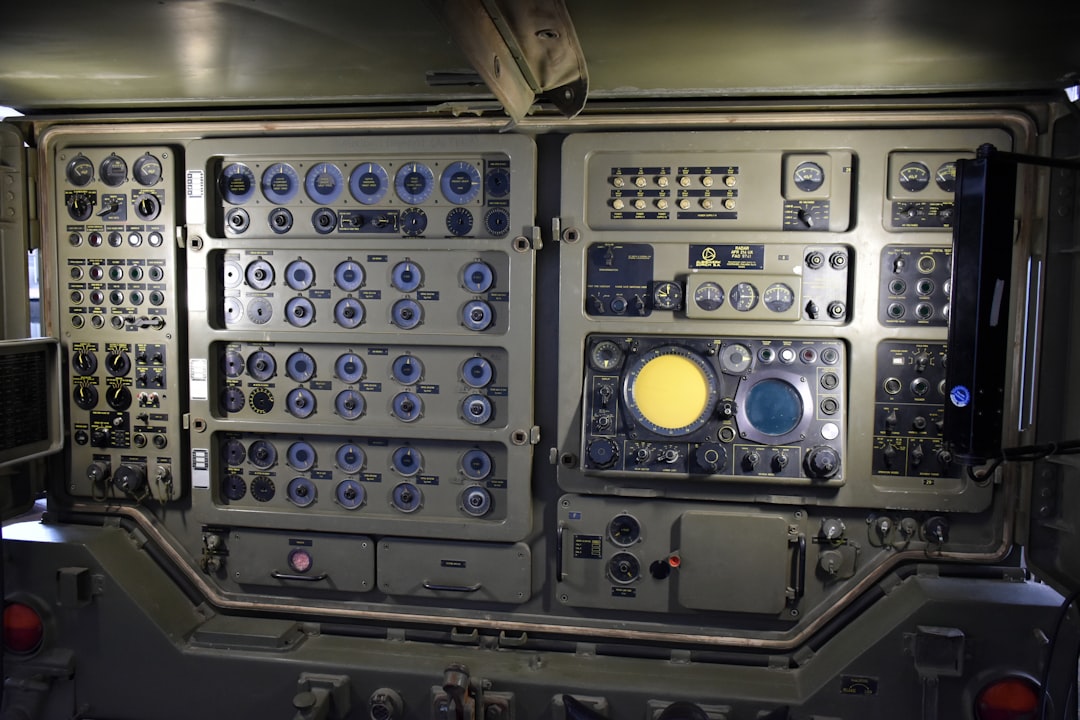
As the manual progresses, it transitions into functional architecture. This phase breaks down the user interface, physical controls, indicator lights, and menu hierarchies. Diagrams and schematic illustrations play a crucial role here, providing visual mappings that correspond directly to the physical unit or software dashboard. By cross-referencing the textual descriptions with visual schematics, operators develop a mental model of the system architecture. This foundational knowledge proves invaluable when troubleshooting unexpected errors later in the lifecycle of the equipment.
Related Posts
- The Ultimate Guide to DIY Repair Instructions for Home Electronic Devices
- Inside the Modern Kitchen: A Comprehensive Engineering and Feature Guide to Smart Ovens
- How to Troubleshoot a Refrigerator That Is Not Cooling Properly
- Directives for Safe Home Air Conditioner Installation
- The Ultimate Complete User Manual for Product Setup and Operation
Step-by-Step Implementation and Setup Protocols
Transitioning from documentation to physical execution demands a methodical approach. The setup phase outlined in an official user guide with operating instructions usually mandates specific environmental conditions, such as temperature ranges, humidity levels, or electrical grounding requirements. Skipping site preparation can compromise the longevity of sensitive electronic components. For instance, industrial machinery often requires laser-level positioning and dedicated high-voltage lines, whereas enterprise software might require specific database server configurations and firewall rule exceptions.
Once site requirements are verified, the physical or digital installation sequence begins. Technicians must adhere strictly to the numbered steps provided in the manual.
- Unpack all components in a clean, static-free environment.
- Verify power ratings against local electrical codes before plugging in any unit.
- Connect peripheral cables in the exact order specified to prevent short circuits or communication handshake failures.
- Power on the primary control unit and monitor diagnostic boot sequences for error codes.
- Execute initial calibration routines before loading production workloads.
Adhering to this structured sequence minimizes human error and establishes a reliable baseline for daily operations.
Comparative Overview of Documentation Types
Different industries and consumer sectors utilize varying formats of technical literature. Understanding the distinctions between these formats helps users select the appropriate reference material for their specific operational context.
| Documentation Type | Primary Audience | Depth of Information | Typical Use Case |
|---|---|---|---|
| Quick Start Guide | End Users / Consumers | High-Level / Basic | Rapid unboxing and basic power-on procedures |
| Comprehensive Manual | Technicians / Engineers | Exhaustive / Detailed | Full system configuration, maintenance, and repair |
| Service Reference | Certified Repair Personnel | Diagnostic / Component-Level | Circuit board replacement and firmware flashing |
| API Documentation | Software Developers | Functional / Code-Centric | Integrating software endpoints and managing data payloads |
Analyzing these formats reveals that reliance solely on a quick-start pamphlet is insufficient for complex enterprise environments, where a full official user guide with operating instructions is mandatory for safe and efficient operations.
Establishing Routine Maintenance and Troubleshooting Frameworks
Long-term system reliability depends heavily on preventive maintenance schedules detailed within technical documentation. An official user guide with operating instructions specifies intervals for filter replacements, software updates, calibration checks, and hardware inspections. Neglecting these maintenance windows often results in catastrophic system failure or degraded performance over time. Establishing a preventative maintenance log based strictly on manufacturer recommendations ensures compliance with industry standards and extends the operational lifespan of the asset.
When anomalies occur, the troubleshooting matrix within the manual becomes the primary resource for resolution. Effective troubleshooting follows a deductive methodology.
- Identify the specific error code, audible alarm, or behavioral deviation observed in the system.
- Locate the corresponding symptom in the manual’s troubleshooting appendix.
- Review the potential root causes listed for that specific symptom.
- Execute the recommended corrective action, starting with the least invasive procedure, such as a soft reboot or cable reseating.
- Document the resolution outcome in the maintenance log to track recurring issues.
This systematic approach prevents arbitrary component swapping and reduces downtime significantly.
Frequently Asked Questions
What should be done if a physical manual is lost or damaged?
Most manufacturers maintain digital archives of their documentation on official corporate websites. Users can download a PDF version of the official user guide with operating instructions by entering the exact model number or serial number into the support portal search bar.
Are digital manuals superior to printed documents?
Digital manuals offer distinct advantages, including searchable text strings, zoomable high-resolution diagrams, and hyperlinks to firmware updates. However, printed documents remain valuable in industrial settings where digital devices may be restricted due to cybersecurity policies or lack of power infrastructure.
How often should operating instructions be reviewed by staff?
Operating instructions should be reviewed during initial onboarding, whenever firmware or hardware modifications occur, and during mandatory annual safety retraining sessions to ensure compliance with updated protocols.
Can third-party guides replace manufacturer documentation?
Third-party guides often provide helpful summaries or community-based tips, but they should never replace official documentation for critical safety, wiring, or calibration procedures due to the risk of outdated or inaccurate information.
Conclusion
Mastering complex machinery and software environments requires adherence to structured, authoritative guidance. Utilizing an official user guide with operating instructions ensures that every operational phase—from initial site preparation and physical installation to routine maintenance and advanced troubleshooting—is executed with precision and safety. By respecting the engineering specifications and methodological frameworks provided by manufacturers, organizations optimize productivity, minimize equipment downtime, and maintain compliance with industry standards. Integrating these comprehensive manuals into daily workflows establishes a resilient foundation for long-term operational success across all technical domains.
Featured Image Credit: Generated/Sourced via Unsplash.
Disclaimer: This article is AI-generated for informational and educational purposes. While we strive to provide high-quality context and authority, the content should not be used as professional advice. The author/website assumes no liability for external links or factual omissions.