
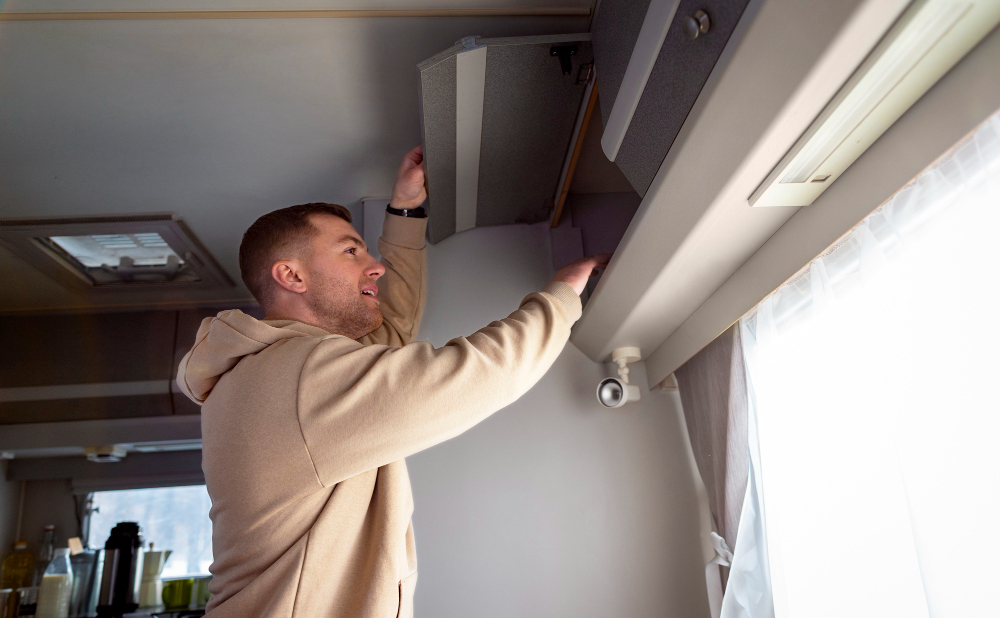
The installation of a home air conditioning system is a highly technical task demanding careful attention to electrical parameters, structural integrity, and structural weight distribution. Whether managing the installation of a central split-system outdoor condenser or a smaller mini-split or window unit, prioritizing strict safety protocols ensures both personal safety during the process and the long-term reliability of the equipment.
Improper installation can lead to severe operational hazards, ranging from immediate electrical short-circuits to progressive structural damage or slow-moving chemical refrigerant leaks that pose health risks. This comprehensive blueprint outlines the vital safety practices, tool requirements, and sequential protocols necessary to complete a domestic air conditioner installation securely and professionally.
Pre-Installation Risk Assessment and Structural Capacity
Before handling any mechanical components, a thorough site inspection must be executed to verify that the home’s infrastructure can support the new physical equipment. Modern air conditioning units require dedicated electrical frameworks and robust mounting substrates due to their weight and power demands.
Related Posts
- The Ultimate Product Dimensions Features and Compatibility Guide
- How to Fix a Dishwasher That Leaves Dishes Dirty After a Cycle
- How to Understand Air Conditioner Remote Control Manual Symbols
- The Ultimate Guide to Finding and Downloading Washing Machine User Manuals Online
- How to Install a Dishwasher Water Supply and Drain Line: A Complete Step-by-Step Guide
Mechanical Load and Substrate Verification
Outdoor condenser units and ductless mini-split evaporators possess significant structural weight. A typical outdoor condenser can weigh between 70 to over 200 pounds, depending on its tonnage.
- Wall-Mounted Units: When mounting an evaporator or an external unit on a wall bracket, anchoring directly into concrete, solid masonry, or structural timber studs is imperative. Standard drywall, plaster, or external siding cannot support the dynamic load of a operating compressor without failure.
- Ground Foundations: Outdoor pads must be composed of solid concrete or reinforced composite material, leveled meticulously to prevent internal oil migration away from the compressor motor.
- Window Installations: The window sill and frame must be structurally sound, free of rot, and capable of bearing the dead weight of the unit without sagging.
Electrical Capacity Analysis
Air conditioners are high-amperage appliances that require independent electrical circuits. Connecting a modern system to a shared general-use branch circuit can lead to thermal overloads within home wiring, presenting an immediate fire risk.
- Circuit Breaker Sizing: The home service panel must have adequate space for a dedicated circuit breaker matching the manufacturer’s specification (typically 15 to 30 Amps for small-to-medium residential split units).
- Wire Gauge Assessment: Wire gauge must correspond directly to the circuit breaker capacity. For instance, a 20-amp circuit requires a minimum of 12 AWG copper wire, while a 30-amp circuit demands 10 AWG copper wire to prevent resistive heating within the walls.
- Voltage Requirements: Most mid-to-large residential units operate on 208/230-volt single-phase power, requiring a double-pole breaker, whereas smaller window units may operate on standard 120-volt lines.
Crucial Safety Gear and Specialized Tooling
Executing an HVAC installation requires specific personal protective equipment (PPE) and precision instrumentation designed to handle high pressures and hazardous electrical currents.
Personal Protective Equipment (PPE)
- Insulated Gloves: Heavy-duty leather gloves protect hands against sharp sheet metal edges, while high-voltage rated rubber insulated gloves must be used during final electrical terminations.
- Safety Glasses: UV-blocking, impact-resistant eyewear safeguards against airborne debris during wall drilling, copper line pipe cutting, and accidental pressurized refrigerant discharges.
- Respiratory Protection: A particulate respirator should be worn when cutting through drywall, plaster, or concrete block to prevent inhalation of silica dust or fiberglass insulation fibers.
Specialized Technical Instruments
The use of makeshift tools during an air conditioning installation often results in compromised safety or destroyed components. The minimum kit required includes a calibrated digital multimeter for voltage and resistance verification, a specialized copper pipe flaring tool kit to construct leak-proof mechanical joints, and a dedicated dual-stage vacuum pump alongside a certified micron gauge to purge atmospheric air and moisture from the closed refrigerant system.
Step-by-Step Mechanical and Structural Installation
An air conditioner installation must proceed logically, prioritizing secure physical anchors before any chemical or electrical lines are connected.
Step 1: Mounting the Indoor Evaporator Unit (Mini-Split / Window)
When installing a ductless mini-split or a window unit, orientation and stability are critical. Use a professional spirit level to ensure the mounting plate or window bracket has a slight, deliberate slope toward the condensate drain pathway. This precise slope prevents wastewater pooling, which can overflow into walls or cause biological mold growth inside the home structure.
+-------------------------------------------------------+
|  INDOOR EVAPORATOR UNIT                               |
|                                                       |
|  [=========]  <- True Horizontal Alignment            |
|  [ - - - - ]  <- Slight 1-2° Pitch Toward Drain Side  |
+-------------------------------------------------------+
                           |
                           v  (Gravity-Fed Flow)
                     [Drain Pipe Outlet]
Step 2: Placement of the Outdoor Condenser
The outdoor condenser must be positioned where it can efficiently reject heat. Avoid confined spaces, alcoves, or beneath dense foliage where exhaust air can recirculate back into the coil, reducing efficiency and driving up internal compressor head pressures. Maintain a minimum of 12 to 24 inches of clear space around all sides of the perimeter, and at least 48 to 60 inches of vertical clearance from overhangs or roof decks. Ensure the unit is bolted securely to its foundation pad using heavy-duty masonry expansion anchors or vibration-damping rubber isolation pads to prevent structural walking or tipping during high-wind events.
Electrical Terminations and Line Disconnect Safety
Working with line-voltage electricity is the most hazardous phase of any HVAC installation. Strict adherence to National Electrical Code (NEC) standards and safe work practices is necessary.
Implementing a Lockout/Tagout Protocol
Before opening any residential electrical service panels or touching raw copper wiring, the primary supply breaker must be switched to the “Off” position. A formal lockout device or explicit warning tag must be applied to the breaker panel to prevent another individual from accidentally re-energizing the circuit while the technician or homeowner is handling bare wires. Always verify the absence of electrical energy using a non-contact voltage tester or a digital multimeter set to Alternating Current (AC) voltage before touching any electrical terminal.
Installing an Outdoor Safety Disconnect Box
Every permanent outdoor condenser unit must be paired with a weather-rated, fused or non-fused electrical disconnect box located within direct line-of-sight of the unit. This mechanism serves as an emergency shut-off, allowing anyone servicing the equipment to immediately isolate the high-voltage stream without running back inside the building.
[Main Electrical Panel] ---> [Outdoor Disconnect Box] ---> [Condenser Unit Terminal]
 (230V Double-Pole)           (Weather-Rated Switch)        (Compressor & Fan Motor)
Ensure all line-voltage lines running from the disconnect box to the condenser are enclosed inside a flexible, liquid-tight non-metallic conduit to shield the conductors from environmental moisture, physical damage, and weed trimmers.
Refrigerant Management and Pressure Testing Safety
Refrigerants are chemical compounds that operate under extreme pressures within the air conditioning system. Improper management is illegal in many jurisdictions and presents severe safety hazards, including frostbite from skin contact and asphyxiation if released inside unventilated zones.
Understanding Regulatory Frameworks
Modern systems rely heavily on eco-friendly refrigerants like R-410A or newer low global-warming alternatives like R-32. Because these chemical blends function at extremely high working pressures (often exceeding 400 PSI during peak operation), ordinary components cannot be substituted.
Under federal regulations, such as Section 608 of the Clean Air Act in the United States, it is strictly illegal to knowingly vent or discharge chemical refrigerants into the atmosphere during installation, service, or disposal.
Executing a High-Pressure Nitrogen Leak Check
Once the copper liquid and suction lines are cut, deburred, flared, or brazed, the closed loop must undergo a rigorous pressure test.
- Connect a bottle of dry, compressed nitrogen gas to the system via an approved HVAC manifold gauge set.
- Slowly pressurize the lines to roughly 150 to 300 PSI (consult the manufacturer’s specific pressure limitations).
- Close the manifold valves and monitor the pressure gauge for at least 30 to 60 minutes. Any drop in pressure signifies a mechanical leak that must be resolved before introducing refrigerant.
- Use a dedicated soap-bubble solution or an electronic leak detector around all mechanical flare nuts or brazed fittings to pinpoint microscopic paths.
Evacuation and Moisture Removal
After verifying the system is structurally sound and leak-free, the nitrogen must be carefully bled off and replaced by a deep vacuum pump. This process extracts ambient air, nitrogen, and residual water moisture from the interior of the copper lines. Moisture left inside a refrigerant loop reacts chemically with system oils to form highly corrosive acids, which eventually dissolve the copper motor windings inside the compressor, leading to permanent equipment destruction. Use a specialized digital micron gauge to verify the system achieves and holds a vacuum below 500 microns for at least 15 continuous minutes.
Comparative Analysis of Air Conditioner Installation Paths
Selecting the appropriate type of unit involves varying degrees of installation complexity, structural risk, and mandatory tool investment. The table below delineates the safety profiles and handling demands of common residential air conditioning setups.
Safety and Complexity Matrix across AC Modalities
| System Architecture | Primary Structural Risk Factors | Electrical Demands & Specifications | Refrigerant Handling Requirements | Recommended Installation Path |
| Window Air Conditioner | Window sill collapse; physical drops during exterior leveling or fastening. | Standard 120V outlet; requires dedicated branch circuit for units above 7.5 Amps. | Hermetically sealed at factory; no field charging or line connection required. | Qualified DIY with secondary assistance for physical lifting. |
| Ductless Mini-Split System | Improper masonry drilling; bracket anchorage failure on external siding. | Dedicated 208/230V circuit; outdoor disconnect box required; indoor-to-outdoor interconnect wiring. | Pre-charged condenser; lines require field flaring, pressure-testing, and deep vacuum evacuation. | Professional installation recommended; EPA certification required if opening closed loops. |
| Central Split System | Heavy rigging hazards; unstable roof or ground platform installations. | Dedicated high-amperage 208/230V double-pole circuit; sub-panel or disconnect interface. | Complete line-set fabrication; requires full field charge calibration, recovery systems, and brazed joints. | Licensed HVAC Specialist mandatory due to complex code and high pressures. |
Comprehensive Frequently Asked Questions
Can a homeowner install their own mini-split system without professional oversight?
While many manufacturers produce pre-charged mini-split kits designed for consumer assembly, specific phases of the installation carry implicit safety and regulatory challenges. If the copper lines must be shortened, cut, or joined mechanically in the field, a deep vacuum pump and manifold gauges are required to prevent premature compressor failure. Furthermore, local building codes frequently mandate that the final high-voltage hookups and disconnect boxes be completed or signed off by a licensed electrician to preserve home insurance validity.
What happens if air or moisture remains trapped inside the refrigerant line-set?
When atmospheric air and humidity are not properly evacuated using a vacuum pump, they occupy space inside the condenser coils, causing elevated operating pressures and temperatures. Over time, the moisture mixes with the synthetic polyolester (POE) oil inside the compressor to create hydrochloric and hydrofluoric acids. This corrosive mixture attacks internal components, strips away copper plating, and triggers an electrical “burnout,” rendering the entire system unrepairable.
Why is an outdoor disconnect box required if there is already a circuit breaker in the basement?
The outdoor disconnect box acts as a fail-safe localized shut-off mechanism. If a technician or occupant is working on the outdoor fan motor or electrical contactor, having the switch within arm’s reach ensures that no one else can accidentally flip the main circuit breaker back on from inside the home. It also allows for rapid isolation of electrical faults if the outdoor unit catches fire or experiences an electrical short due to water intrusion.
How do I safely handle an air conditioner that uses R-32 or R-290 refrigerant?
Next-generation refrigerants like R-32 are classified as A2L (mildly flammable), while R-290 (propane) is classified as A3 (highly flammable). When installing modern systems utilizing these compounds, it is imperative to eliminate all local sources of ignition, ensure excellent cross-ventilation across the entire workspace, and utilize specialized spark-proof tools and recovery equipment explicitly rated for handling flammable gases.
What gauge wire should be run from the main home panel to a 24,000 BTU mini-split?
A typical 24,000 BTU (2-ton) mini-split generally draws between 15 to 20 Amps during peak load and runs on 230V power. This configuration typically demands a dedicated 20-amp double-pole circuit breaker paired with a minimum of 12 AWG stranded copper wire. Always read the exact “Minimum Circuit Ampacity” (MCA) and “Maximum Overcurrent Protection” (MOP) values stamped directly onto the manufacturer’s specification plate before selecting wire gauges.
Conclusion and Strategic Next Steps
Installing a residential air conditioner safely requires a systematic approach that balances physical carpentry, electrical theory, and pressurized chemistry. Skipping fundamental steps—such as neglecting to run a dedicated circuit, ignoring structural Stud locations, or bypassing a high-pressure leak check—jeopardizes home safety and shortens equipment lifespans.
For window installations and basic pre-charged single-zone mini-splits, careful adherence to manufacturer instructions and local safety protocols can produce a successful outcome. However, when dealing with complex multi-zone split systems or complex high-voltage tie-ins, partnering with certified professionals ensures compliance with local building ordinances and environmental laws. Before initiating any physical work, obtain all required local municipal building permits and confirm that the tools on hand match the precise technical specifications of the equipment being installed.